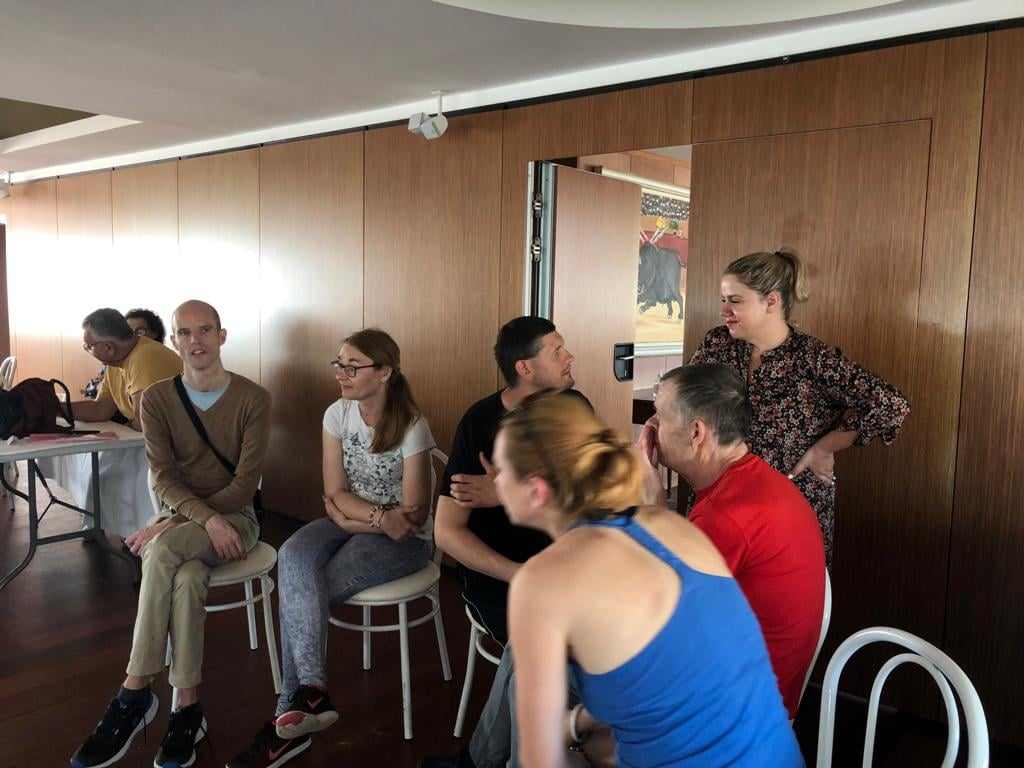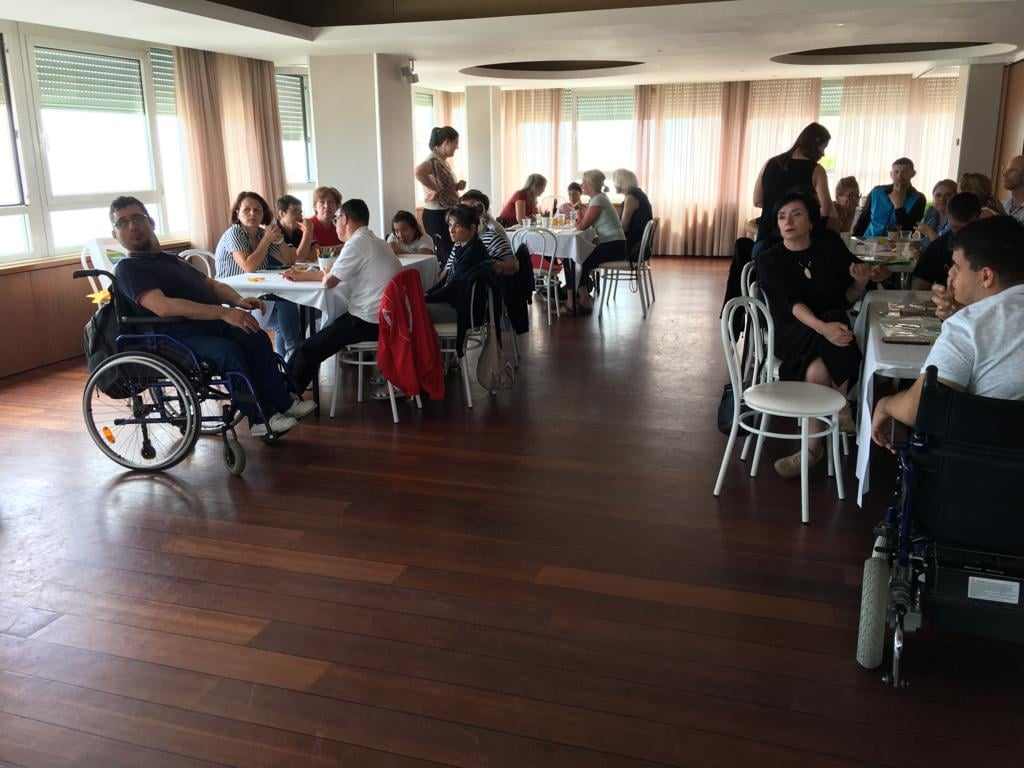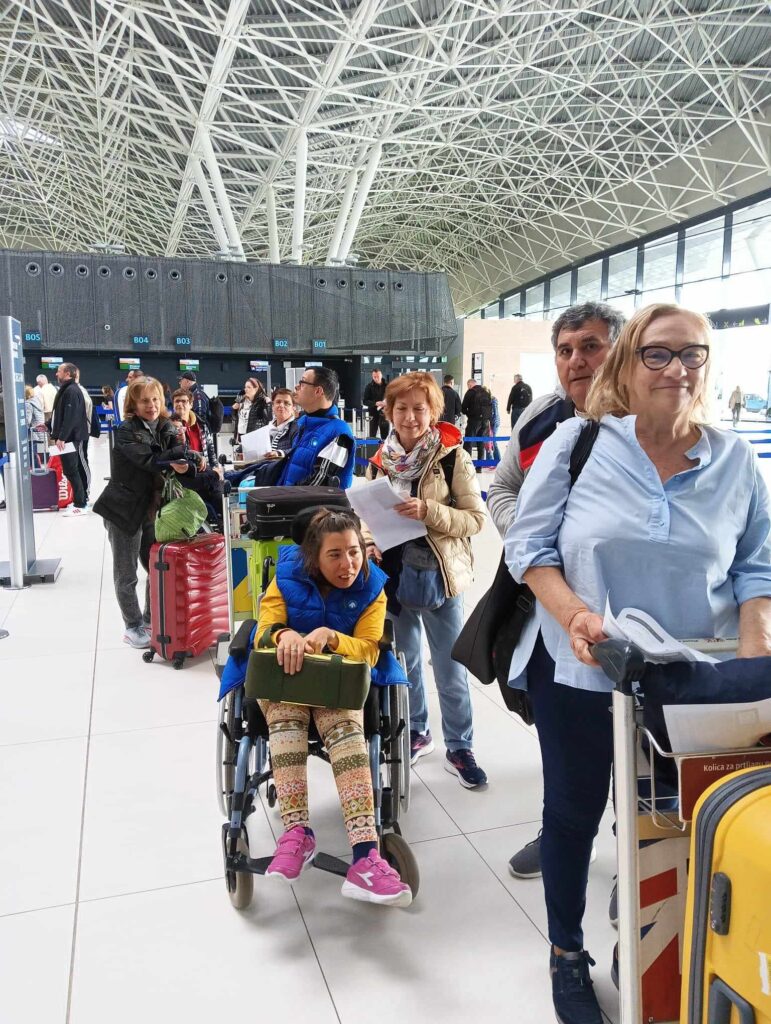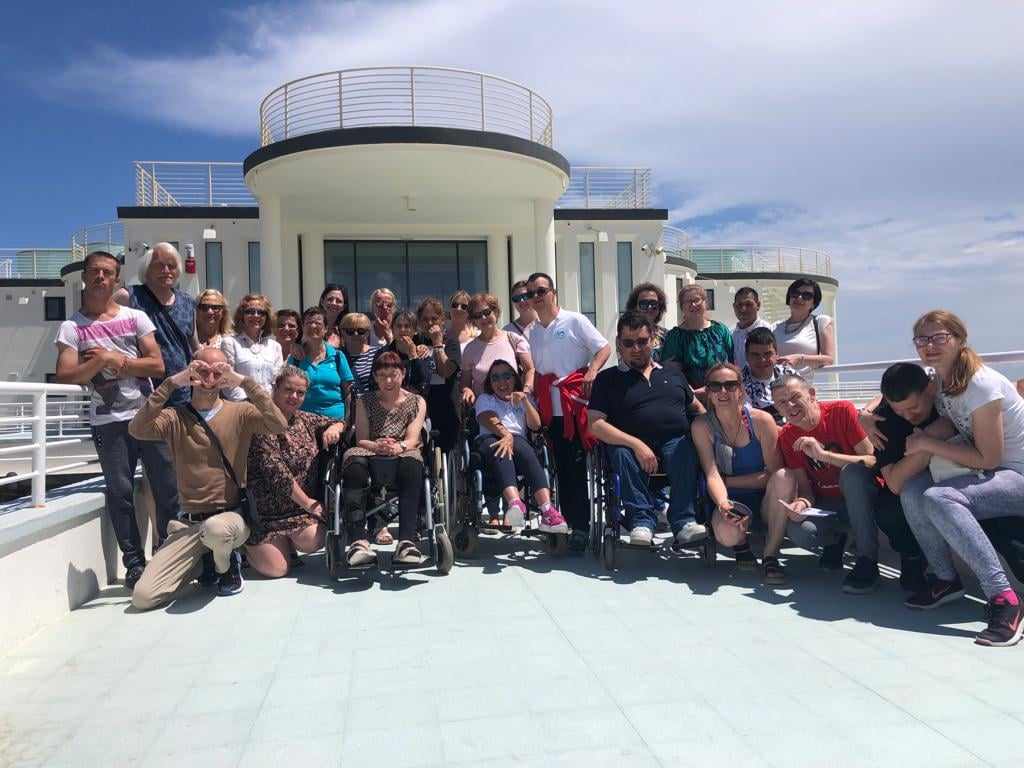
Disabled people are not always fully valid members of society; they are dependent upon the goodwill of others, looked upon as eternal children and thus expected to be obedient and grateful for any support they received. The attitudes of staff and family members may either hinder or support disabled people’s development of personal autonomy.
It is fundamental for good practices not to limit support to basic bodily functions, but to broaden the idea from being supportive to being functional, such as expressing one’s will and developing one’s own character.
The harder step is to get out of the “educator or helper” perspective, whatever the figure it is, to enter instead into a supportive and emphatic relationship.
Taking into account the respective individual social and personal starting conditions, the environment which needs to be built is that on which all disabled people have equal opportunities.
Such is the habit of intervening with ready solutions that, seeing people in difficulty or sustaining moments of silence creates a discomfort that leads to immediately activate the “rescue”.
Listening, involving, making participants participate, encouraging the participation of adults with disabilities in the issues that affect their lives is the way to empower them as members of the society in which they live, to enhance their social skills.
Like listening, also participation is a fundamental human right: it is not a privilege or a concession.
Right of citizenship: belonging to a social and political community and, therefore, the possession of a citizen status is also fundamental for identity.